

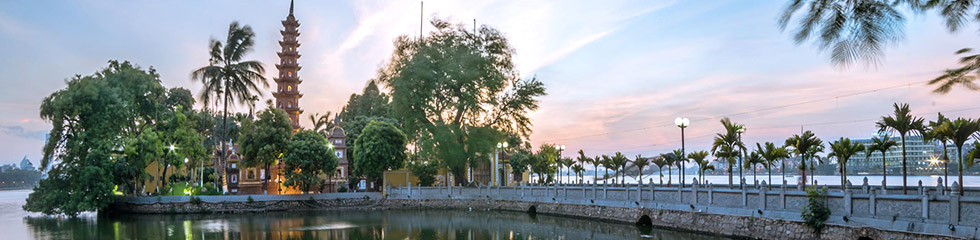


Overview of traditional festivals

Formation and meaning of traditional festivals
Traditional festivals constitute a form of cultural
activities, a spiritual product which the people have created and developed
during the course of history. From generation to generation, the Vietnamese
people preserve the fine tradition of “remembering the source while drinking
water.” Festivals are events which represent this tradition of the community as
well as honor the holy figures named as “gods” – the real persons in national
history or legendary persons. The images of gods converge the noble
characteristics of mankind. They are national heroes who fought against foreign
invaders, reclaimed new lands, treated people, fought against natural
calamities, or those legendary characters who affect the earthly life.
Festivals are events when people pay tribute to divinities that rendered merits
to the community and the nation.
Festivals are occasions when people come back to either their natural or
national roots, which form a sacred part in their mind.
Festivals represent the strength of the commune or village, the local
region or even the whole nation. Worshipping the same god, the people unite in
solidarity to overcome difficulties, striving for a happy and wealthy life.
Festivals display the demand for creativity and
enjoyment of spiritual and material cultural values of all social strata.
Festivals become a form of education under which fine traditional moral values
can be handed from one generation to the next in a unique way of combining
spiritual characters with competition and entertainment games.
Festivals are also the time people can express their
sadness and worries in a wish that gods might bestow favors on them to help
them strive for a better life.
Process of festivals
Generally speaking, every festival will include the
following three steps:
Preparation:
The preparation work is divided into two phases: prior to the coming festive
season and in the immediate time before the festive day. The preparation work
for the coming festive season starts right after the previous festival comes to
an end. When it is coming to the festive day, people need to check the
worshipping objects, attires, decoration, and cleaning of the worshipping place
and statues.
The festive day: Many activities take place, including rituals of
procession, incense offering, and rejoicing games, among others. They form the
most important and significant part of any festival. These activities also play
a decisive role in attracting tourists and deciding the timing of the festival
itself.
The ending of the festival: The organization board
expresses their thanks to all festival goers and closes the worshipping place.
Time for festivals
In Vietnam festivals often take place during the three months in spring
and in autumn when people have a lot of leisure time. In addition, the climate
in spring and autumn is especially suitable for holding festivals and for
festivals goers to enjoy.
