




Classical Chinese – Han language
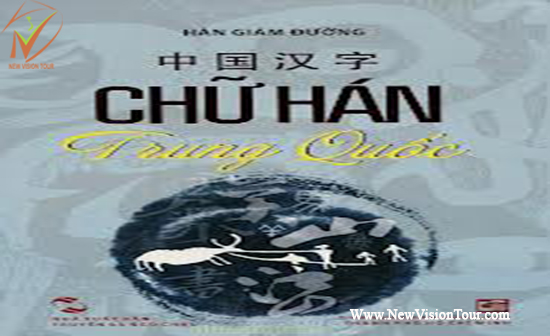
During the 1,000 years of Chinese rule over what is now northern Việt
Nam, chữ Hán (classical Han Chinese, also known as chữ nho) became firmly
established as the language of the Vietnamese royal court and would remain so
until as late as 1918 when the ancient system of mandarin examinations was
finally abolished.
The oldest extant literature written in chữ Hán comprises a corpus of
11th century poems written by Buddhist monks. By the 13th and 14th centuries
poems in chữ Hán were written for the court by Confucian scholars such as Lê
Quát (b?), Mạc Đỉnh Chi (d 1346), Trương Hán Siêu (d 1354), Chu Văn An (d 1370)
and Nguyễn Trung Ngạn (1289-1370), along with important historical works such
as Lê Văn Hưu's Đại Việt Sử Ký ('Brief History of Đại Việt') and a range of
geographical and encyclopaedic volumes.
