




Chữ Nôm
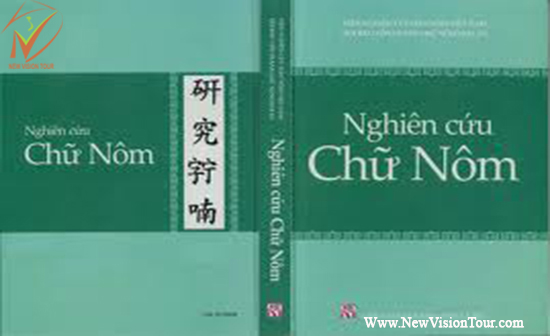
From an early period a special ideographic script known as chữ nôm was
also devised for transcribing spoken Vietnamese. According to annals dating
from the late 13th century, the poets Nguyễn Thuyên and Nguyễn Sĩ Cố were the
first to write in chữ nôm. At the turn of the century King Hồ Quý Ly
(1400-1407) himself translated the Confucian classic Kinh Thi into Nôm.
The era of the Lê Kings (14th and early 15th centuries) was a significant
period of development for chữ Nôm literature. Of particular note were the works
of Nguyễn Trãi, scholar and strategist to Lê Lợi (later King Lê Thái Tổ,
1428-1433) during the resistance war against the invading Ming Chinese. Trãi,
whose Bình Ngô Đại cáo ('Proclamation of Victory over the Ngô') remains one of
the finest works of Vietnamese national literature, left an important
collection of 254 poems written in chữ nôm known as Quốc Âm Thi Tập. Though chữ
Hán was the official the language of the Vietnamese royal court, two Lê
monarchs - Lê Thái Tông (1434-1442) and Lê Thánh Tông (1460-1497) - are
remembered for their poems written in nôm; some 300 works of great historical
and literary significance written by Lê Thánh Tông may be found in the
anthology Hồng Đức Quốc Âm Thi Tập ('Collected Poems of the Hồng Đức Period').
However, nôm poetry did not really begin to break free from Chinese influence
until the 16th century, a process signalled by the appearance of 100 remarkable
works in nôm by Confucian scholar Nguyễn Bỉnh Khiêm (1491-1585), brought
together as the Bạch Vân Thi Tập ('Compilation of Bạch Vân's Poems').
The slow demise of the Lê dynasty and the corresponding rise of the
powerful Trịnh and Nguyễn families during the 16th and 17th centuries seriously
undermined respect for the concept of absolute monarchy, leading to the
collapse of the Confucian system. This in turn had important consequences for
the development of Vietnamese chữ nôm literature, which now entered a new and
exciting phase of development - fresh themes appeared, and the language itself
became richer, more concise and more flexible. A particular feature of the
period was the appearance of stories and fables which contained thinly-veiled
criticisms of official corruption and the shortcomings of feudal society.
However, the golden age for chữ nôm was the 18th century, which witnessed
a truly remarkable literary flowering. Particularly popular at this time were
long narrative poems known as truyện, which borrowed elements of popular oral
tradition, fusing them with classical language to create new and vibrant works
of literature. These works, with their complex plot, characterization and
structure, were the first to express in writing the personal feelings and
desires of the protagonists. Amongst the greatest narrative poems of this
period are Chinh phụ ngâm ('Lament of a Warrior's Wife') by Đặng Trần Côn,
translated into nôm from the original chữ Hán by Đoàn Thị Điểm (1705-1748), and
Cung oán ngâm khúc ('Lament of a Royal Concubine'), written in nôm by Nguyễn
Gia Thiều (1741-1798). During the brief reign of King Quang Trung (Nguyễn Huệ,
1788-1792) chữ nôm was adopted as the national script for official texts and in
education, to replace the classical Chinese which had been used for centuries.
The 18th century is known too for its satirical poems and stories, many
of which vehemently attacked the ruling Confucian elite. Perhaps best known are
the feminist poems of Hồ Xuân Hương (late 18th-early 19th century) and the
anonymous popular stories Trạng Lợn ('Doctor Pig') and Trạng Quỳnh ('Doctor
Quỳnh').
Also of significance during this period were historical works written by
scholars such as Lê Quý Đôn (1726-1783), whose Đại Việt Sử Toàn Thư ('Complete
History of Đại Việt') and Lê Triều Thông Sư ('History of the Lê Dynasty')
marked a major advance in the development of historical studies.
Notwithstanding the revival of a strong monarchy after 1802 under the
Nguyễn dynasty, Vietnamese literature continued for some time thereafter to
convey the humanistic aspirations and sentiments which had featured so strongly
in the literature of the previous century. The best-known work of the early
19th century and today perhaps the most famous work in the history of
Vietnamese literature is the narrative poem Truyện Kiều ('The Story of Kiều'),
written by poet, scholar, mandarin and diplomat Nguyễn Du (1765-1820). Highly
regarded for its elegant language and style, this masterpiece relates the story
of a beautiful and talented young woman condemned by the actions of a wicked
mandarin to 15 years of tribulation and suffering.
During the second half of the 19th century some notable works of nôm
literature were created by leading figures in the various patriotic movements
set up to fight against French colonialism. These included proclamations,
appeals to struggle, funeral orations, stories of combat and patriotic poems by
the likes of Phan Đình Phùng, Nguyễn Quang Bích, Phan Văn Trị, Nguyễn Thông and
Nguyễn Xuân Dư, together with lengthy but eloquent appeals to the monarch by
Nguyễn Trường Tộ and Nguyễn Bộ Trạch. Perhaps the best-known writer of this
period was blind poet Nguyễn Đình Chiểu, who composed several volumes of
patriotic literature before his death in 1888.
