



Travel Guide » Vietnam Travel Guide » Vietnam Culture
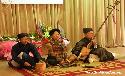
In the past, the dan day was an accompanying instrument used only for one genre of songs, which later divided in two variants known today as hat cua dinh and hat a dao.
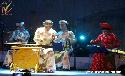
Dan bau is a musical instrument that touches the heart. The music of dan bau (one-stringed zither) should be solely for the pleasure of its player. Don't listen to it if you are a young woman.
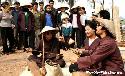
The xam song is one kind of song that was created by the Vietnamese a long time ago, and which is considered a very special performance. People used to walk in a group of two to three or four to five and sing, mainly in residential areas such as a parking lot, a ferry-landing, or a market gate.
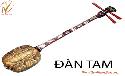
This three-stringed lute is used by several ethnic groups in Vietnam. The Viet call it dan tam, whereas the Ha Nhi calls it ta in. This instrument exists in three sizes: large, medium, and small. The small is the most popular.
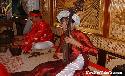
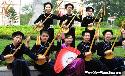
The tinh tau is an original musical instrument very popular among the Tay, Thai and Nung minorities of the northern highlands.

It is impossible to be without this kind of traditional music at a Khmer wedding reception in the South of Vietnam.
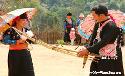
The khen is a musical instrument used by the Mong ethnic minority, who call it the kenh, while the Viet gave it the name Mong Khen (previously Meo Khen). The E De ethnic minority in the Central Highlands use a similar instrument called Ding Nam.
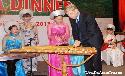
This musical instrument was intended for women. The name klong put of Xo Dang origin has become the common name of this woodwind musical instruments depicted to the right. It is played by ethnic groups in Tay Nguyen, such as the Xo Dang, Ba Na, Gia Rai, Hre, etc.
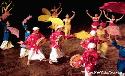
Rija is a term used by the Cham to designate numerous festivals related to agriculture and clans (for instance, Rija Prong, Rija Nagar or Rija Yaup, etc.).
Featured Tours