




Travel Guide » Vietnam Travel Guide » Vietnam Culture » Vietnam Art
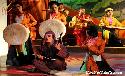
The Hát Chèo is a satirical musical theatre, a kind of popular opera with an entirely oral tradition.
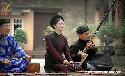
The Vietnamese are very religious but not fanatical. Compared to other categories, cult music was not widely developed. The most significant cult song type is Hát Chầu Văn. This is a kind of incantation music (although it was classified as ritual music), but its purpose was to hypnotize the ...
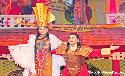
Cai luong is a kind of folk music that developed in the early 20th century. It was first played by amateurs in the south. Thanks to their soft voices, southerners sing cai luong very romantically.
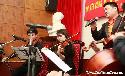
Tuong, also called hat boi in the south, is a stage performance that came about during the Ly-Tran dynasties and that became very popular nationwide during the following centuries.
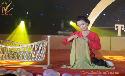
Vietnam Lullabies - Hát Ru are a sort of folk music often heard in Vietnam, especially in the countryside. Ru, certainly, are songs to lull babies, but Vietnamese women use them to consign their fates and also to express human feelings such as homesickness, wife missing her husband, etc.
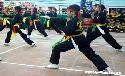
Vietnamese martial arts have also assimilated elements of traditional Asian medicine, Confucianism and other Asian philosophies, as well as systems of ethics, military arts, and aesthetics.
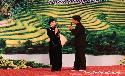
The then song is the religious music of the Tay, Nung minorities. This type of song can be considered a religious performance of Long Poems which depict a journey to the heavens to ask the Jade Emperor to settle trouble for the head of the household.
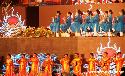
Chamber music originated from royal music at the beginning of the 19th century in the Nguyen Dynasty. It was well developed by the time of King Tu Duc.
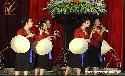
The ly song is one of the special folk songs of the Vietnamese people. It is sung in the northern, central and southern regions of Vietnam.

Gongs are musical instruments made of alloy bronze, sometimes with gold, silver, or black bronze added to their composition. In the Kinh language, the word cong identifies convex gongs and the word chieng refers to the flat ones. Gongs vary in size from 20 to 120cm in diameter.
Featured Tours